

June 3, 2026
Backlash is often swift when authorities try to plan retreat from the coast. There’s a better way
Climate change adaptation needs to be a collaborative and community-driven project
With climate change likely to accelerate extreme weather in Australia, planned or managed retreat – moving people and infrastructure away from these areas – will grow only more important.
But planned retreat often provokes intense backlash from Australian communities on the front line of climate change. Councils and state governments are generally reticent to have this conversation with communities.
, published earlier this year, shows why planned retreat can become emotional – and divisive and how planners and communities can tackle it.
The take-home message? Talking to people from both sides of the debate can help a lot.
What does planned retreat involve?
can involve relocation of people, houses and infrastructure. It can also mean restricting development in risky areas.
A successful example of relocation occurred after an “inland tsunami” flash flood destroyed homes and lives in Grantham, Queensland, in 2011. After the disaster, the town was moved in a collaboration between state, local governments and communities.
However, planned retreat often provokes fear and anger – especially among residents in vulnerable areas – over the effect on private property.
There was in the NSW Lake Macquarie City Council area in 2012, when the council included “retreat” among a suite of options it was considering to manage rising seas and flooding in low lying areas.
property owners voiced concern this would drive down property prices and drive up insurance.
Another example involved a recent by the Commonwealth and Western Australian governments, which included eventual relocation for residents of Home Island and West Island in the remote Cocos Keeling Islands, about 2,750 kilometres northwest of Perth.
Residents of this low-lying island community were angry at what they saw as .
Similarly, Torres Strait Islanders find being forced to abandon their home a .
Community frustration
If communities want to relocate out of harm’s way, they need somewhere to live.
After catastrophic flooding in the NSW town of Lismore in 2022, thousands of people were left homeless. Over 1,700 homes were .
Two years after the flood, the NSW state government purchased 497 damaged properties in Lismore, as part of an effort to move residents from these areas.
But many in the community expressed frustration with the slow pace of the process, and in the region.
If retreat becomes a taboo topic, planners and residents have limited options.
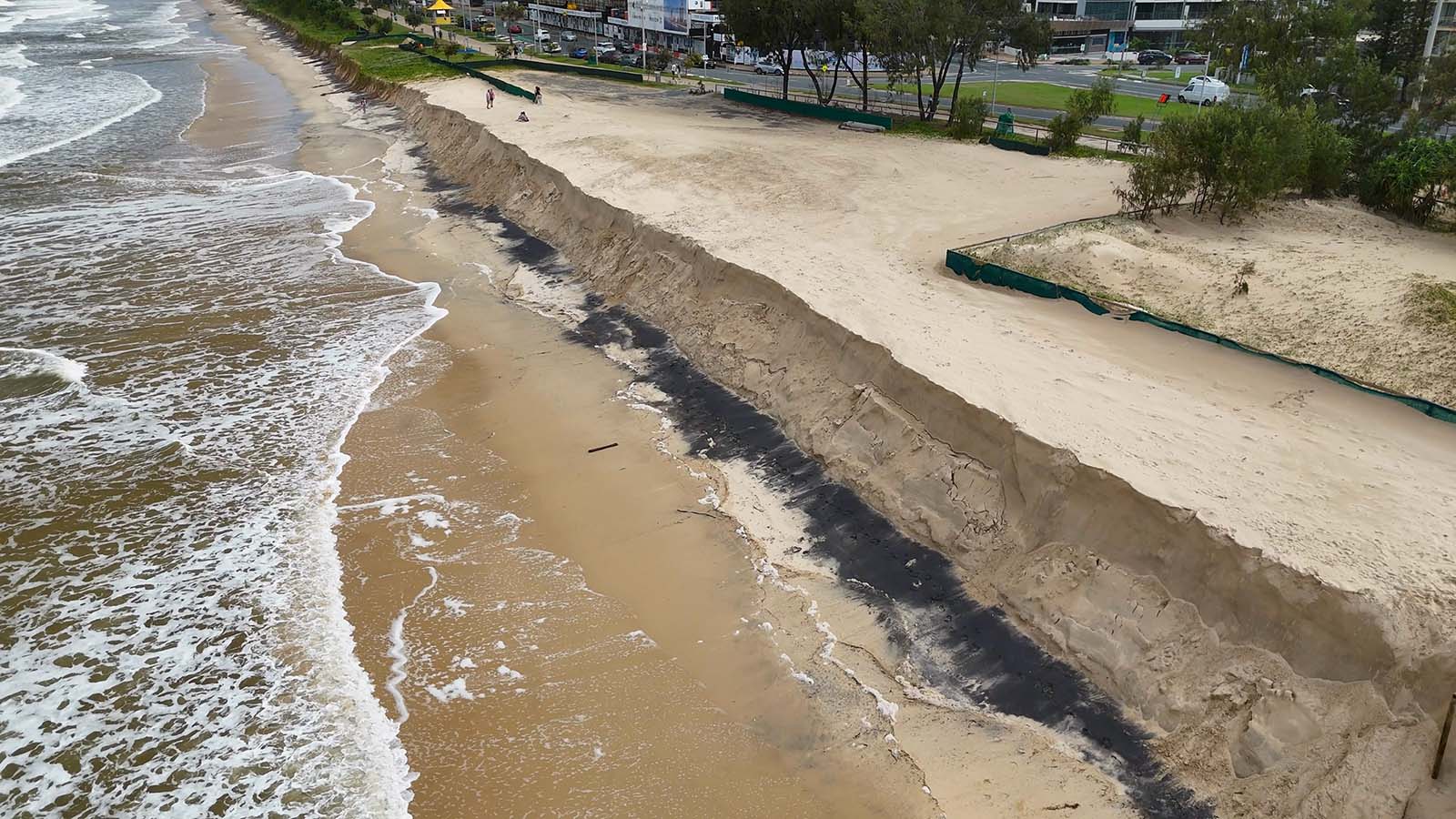
Residents of Lancelin, Western Australia, have lost due to erosion, which has also threatened a .
Yet more than against planned retreat.
In NSW’s Wamberal Beach, retreat has become so , to progress designs for a to protect waterfront properties from erosion. (It is yet to be .)
Lessons from research
looked at planned retreat in the context of climate change.
In 2019, after the NSW Central Coast Council (in areas such Gosford and Woy Woy) for public consultation, I interviewed residents; climate, environmental and property activists; and council and state adaptation planners.
I found similar resistance to planned retreat from homeowners, property investors, real estate agents and residents.
Many people were worried a planned retreat would make insurance more expensive and drive down property values. They also feared planned retreat would threaten the entire existence of their community.
However, climate activists were afraid people would be stuck with properties they could no longer live in. One person joked about being able to go fishing from his lounge room by 2050. These people wanted a public discussion about planned retreat.
Groups on both sides expressed fear and outrage to get their point across. Faced with hostility, the council became reticent to talk to the community.
Not surprisingly, the discussion about .
Talking to warring factions
Once the shouting dies down, my research shows both sides of the debate share common views.
People told me the community should talk about what was fair, and the pros and cons of buybacks and relocation.
Overall, during interviews they voiced hope for collaboration, belonging and survival.
This can help provide a road map for planned retreat in Australia. My research shows we need to:
-
air grievances
-
find areas of agreement between warring factions
-
allow affected people and planners to debate what’s fair for individuals and communities
-
acknowledge emotions are part of the process.
For decades, researchers have argued climate change adaptation is a .
However, recent cases suggest that planned retreat is becoming a divisive issue affecting vulnerable residents. Even the Australian government’s recent acknowledged the growing risk sea level rises pose to social cohesion.
We can look to communities for answers. Planned retreat can be tense and emotional – but it can also represent a reset and an opportunity for hope.
, Research, Australian Centre for Culture, Environment, Society and Space,
This article is republished from under a Creative Commons license. Read the .
UOW academics exercise academic freedom by providing expert commentary, opinion and analysis on a range of ongoing social issues and current affairs. This expert commentary reflects the views of those individual academics and does not necessarily reflect the views or policy positions of the ÁñÁ«ÊÓƵapp of ÁñÁ«ÊÓƵapp.