

January 23, 2026
Three UOW teams secure $1.08m to turn research into real world outcomes
The funding supports commercial pathways for university innovation in health, disability and cyber security
Three ÁñÁ«ÊÓƵapp of ÁñÁ«ÊÓƵapp (UOW) research teams have secured a combined $1.08 million through the (AEA) , which helps researchers turn promising innovations into real-world products and services that benefit the public.
The successful projects address challenges in health care, disability support and cyber security. The researchers will work with commercial partners to complete proof-of-concept testing and refine their innovations in preparation for clinical trials, industry uptake and commercialisation.
Sustainable regenerative wound healing products using Australian seaweed extracts
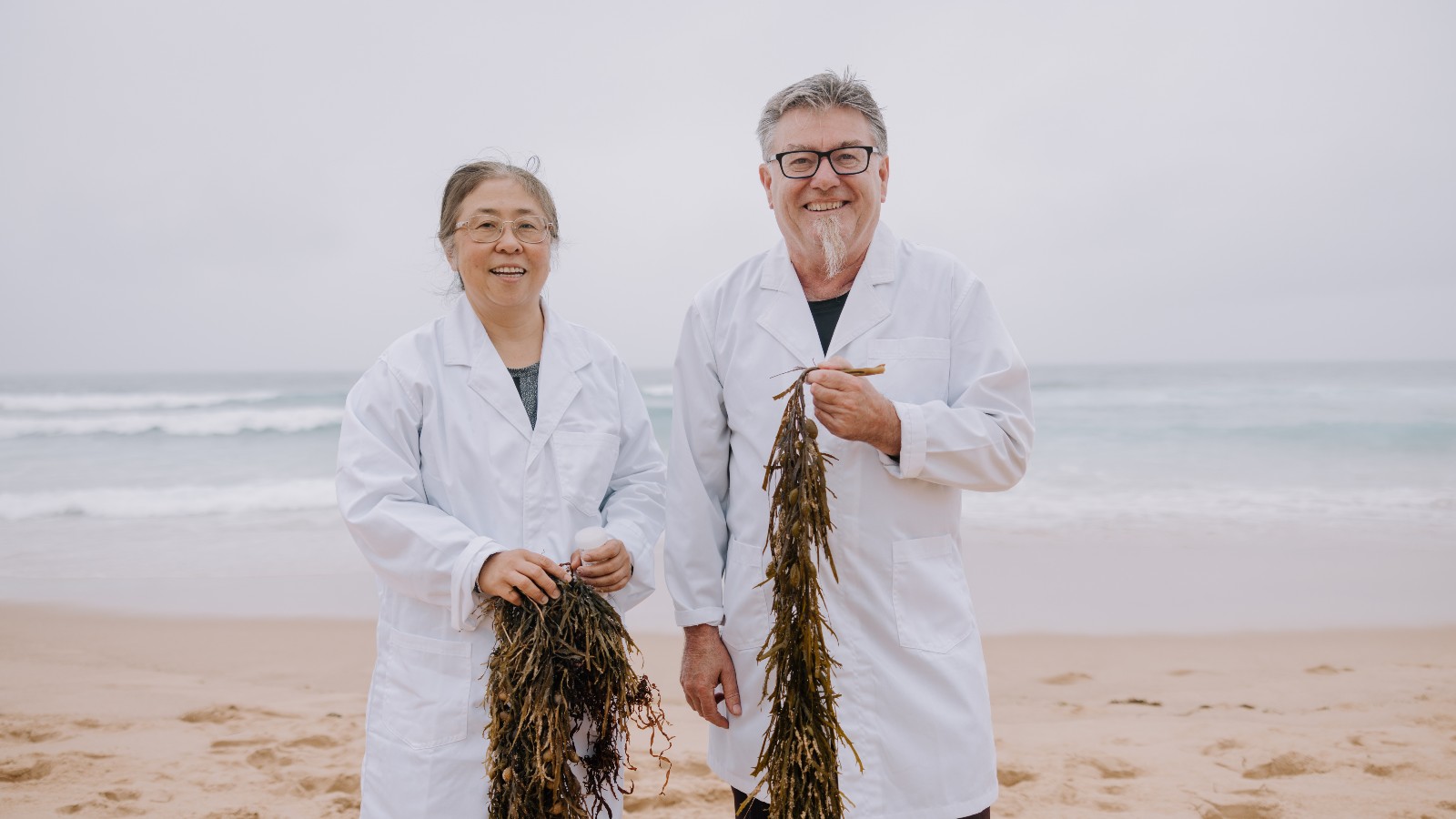
A team led by from the Intelligent Polymer Research Institute won $500,000 to develop a seaweed derived material for medical use to treat wounds. Team members include (UOW), 2005 Australian of the Year (ÁñÁ«ÊÓƵapp of Western Australia) and Dr Pia Winberg (Venus Shell Systems).
"We're developing a regenerative wound-healing product that could transform treatment for chronic wounds and burns” Associate Professor Yue said. “Many existing treatments don't properly restore healthy skin, but our approach uses a compound extracted from seaweed that mimics the building blocks the body needs for skin repair. Rather than just protecting the wound, this material actively helps the body rebuild healthy tissue."
Prosthetic Hands with Multi-Modal Human-Machine Interfaces
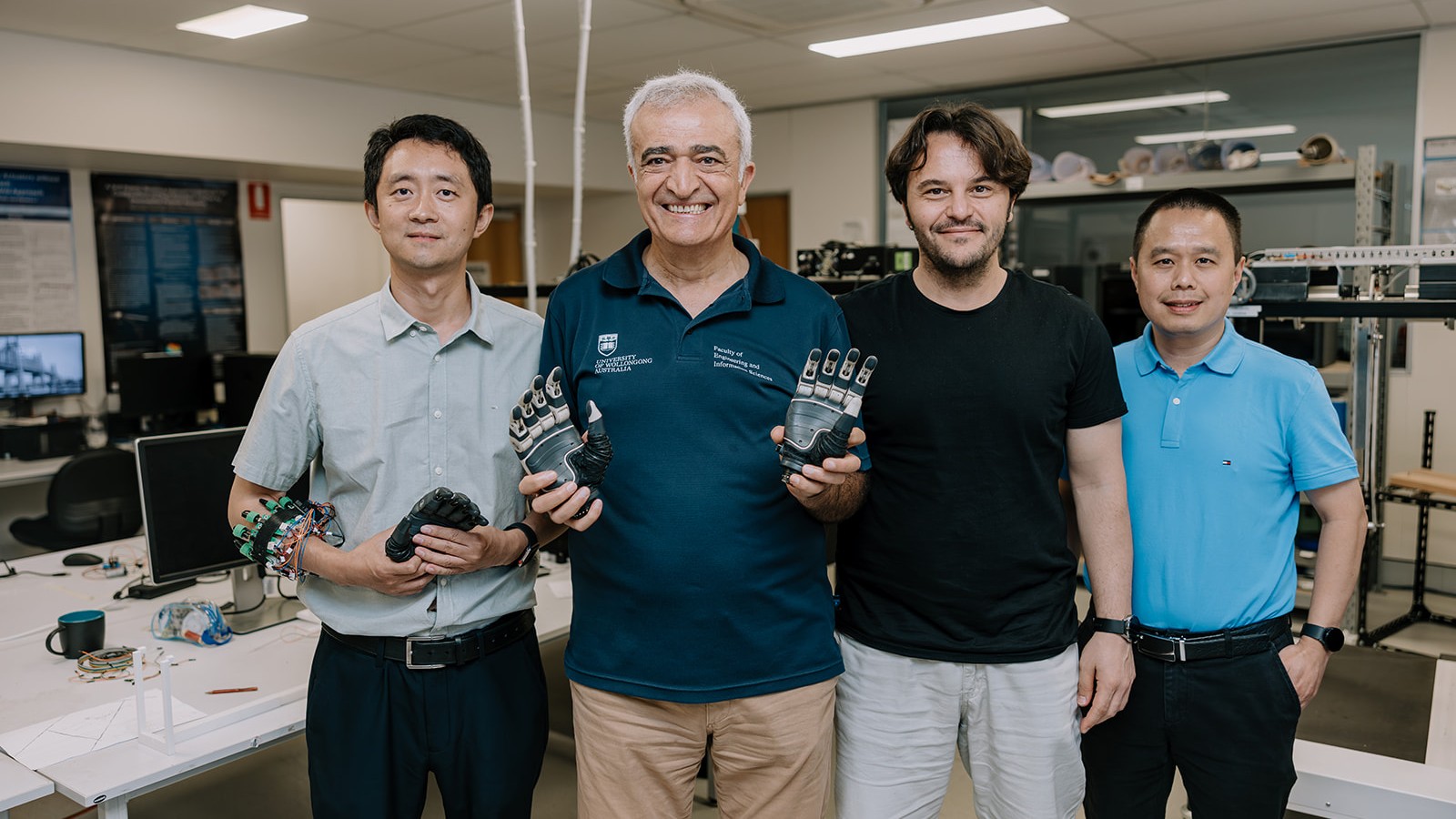
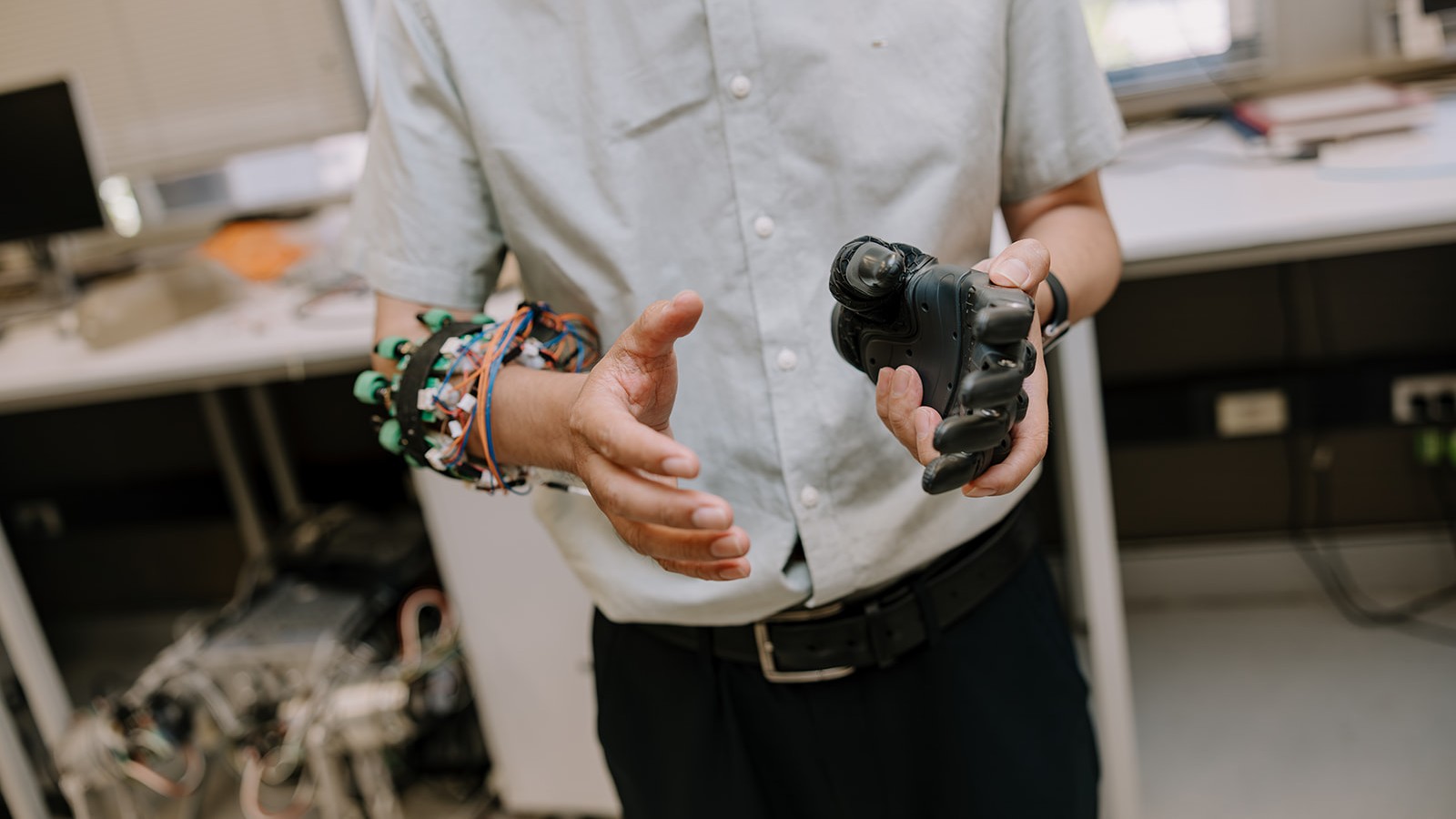
“Many people with upper-limb amputations actually prefer older devices because modern alternatives can be unreliable, difficult to use and require frequent calibration,” Professor Alici said. “We’re developing a new control system for below-elbow prosthetics using artificial intelligence to process arm muscle signals, learn how an individual moves and adapt automatically. The result will be a prosthetic that responds more naturally and consistently, giving users greater independence and confidence.”
An Intelligent Assistant for Secure and Reliable AI-generated Code
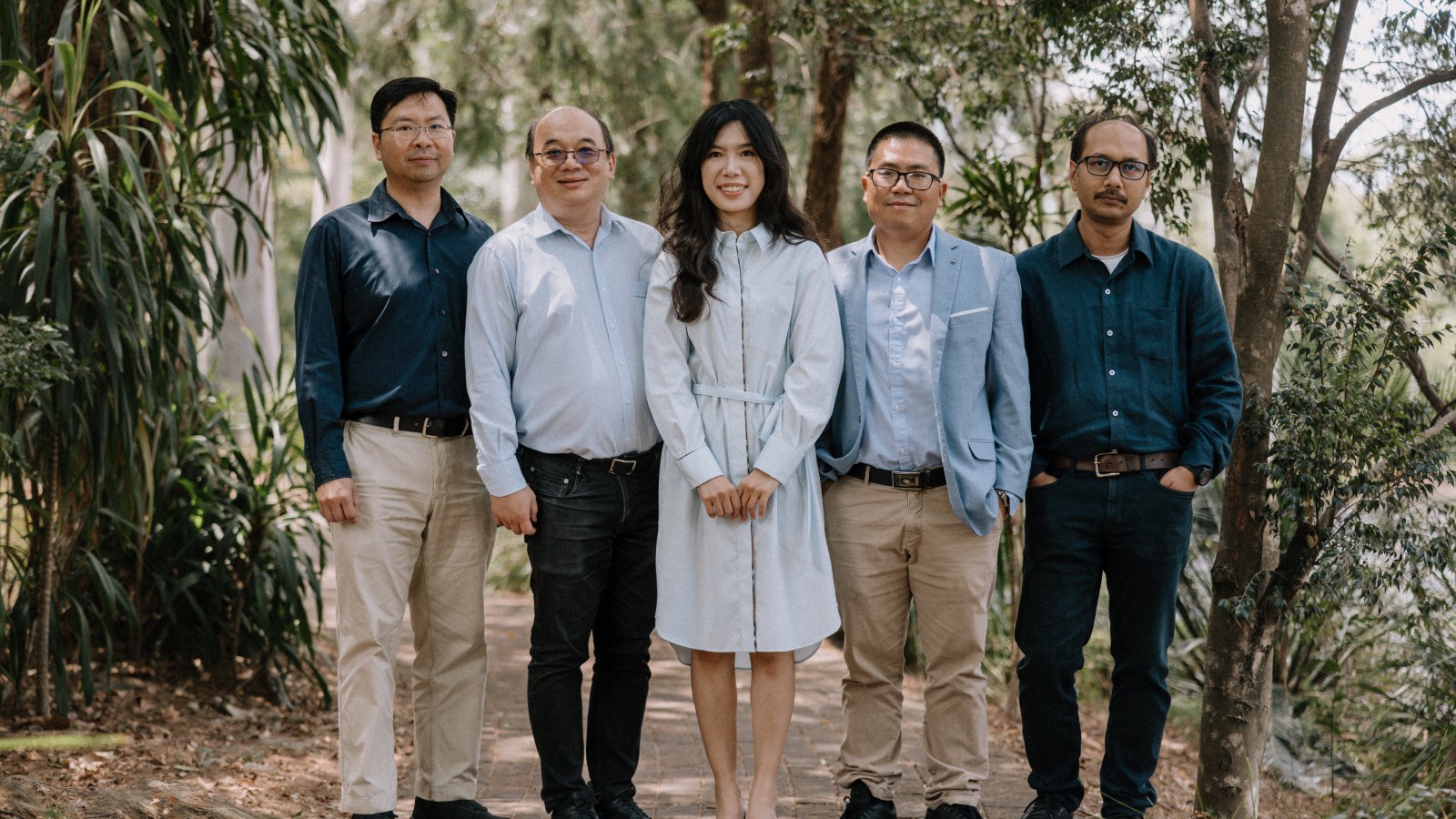
“We’re developing an Intelligent Security Assistant that works alongside coding tools to address the growing risk of security vulnerabilities in AI-generated software code,” Dr Ma said. “When potential security weaknesses are identified, the system automatically reshapes the user’s prompts to include security requirements and recommend trusted coding libraries. This helps ensure that AI-generated code is secure from the ground up."