June 30, 2026
UOW hosts global experts to tackle forced displacement as an international crime
Workshop aimed to identify practical legal responses to forced displacement amid record numbers of displaced people worldwide
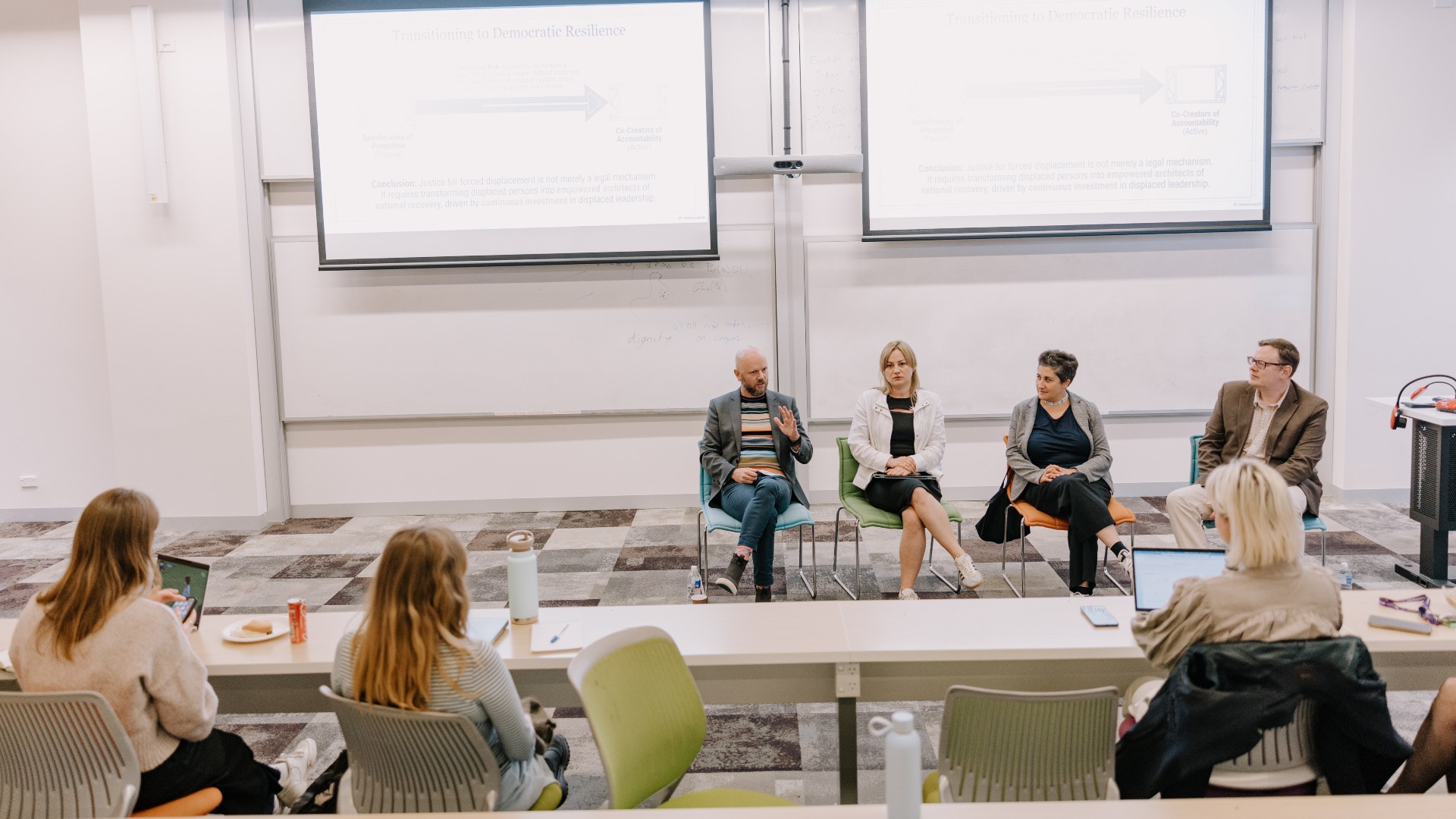
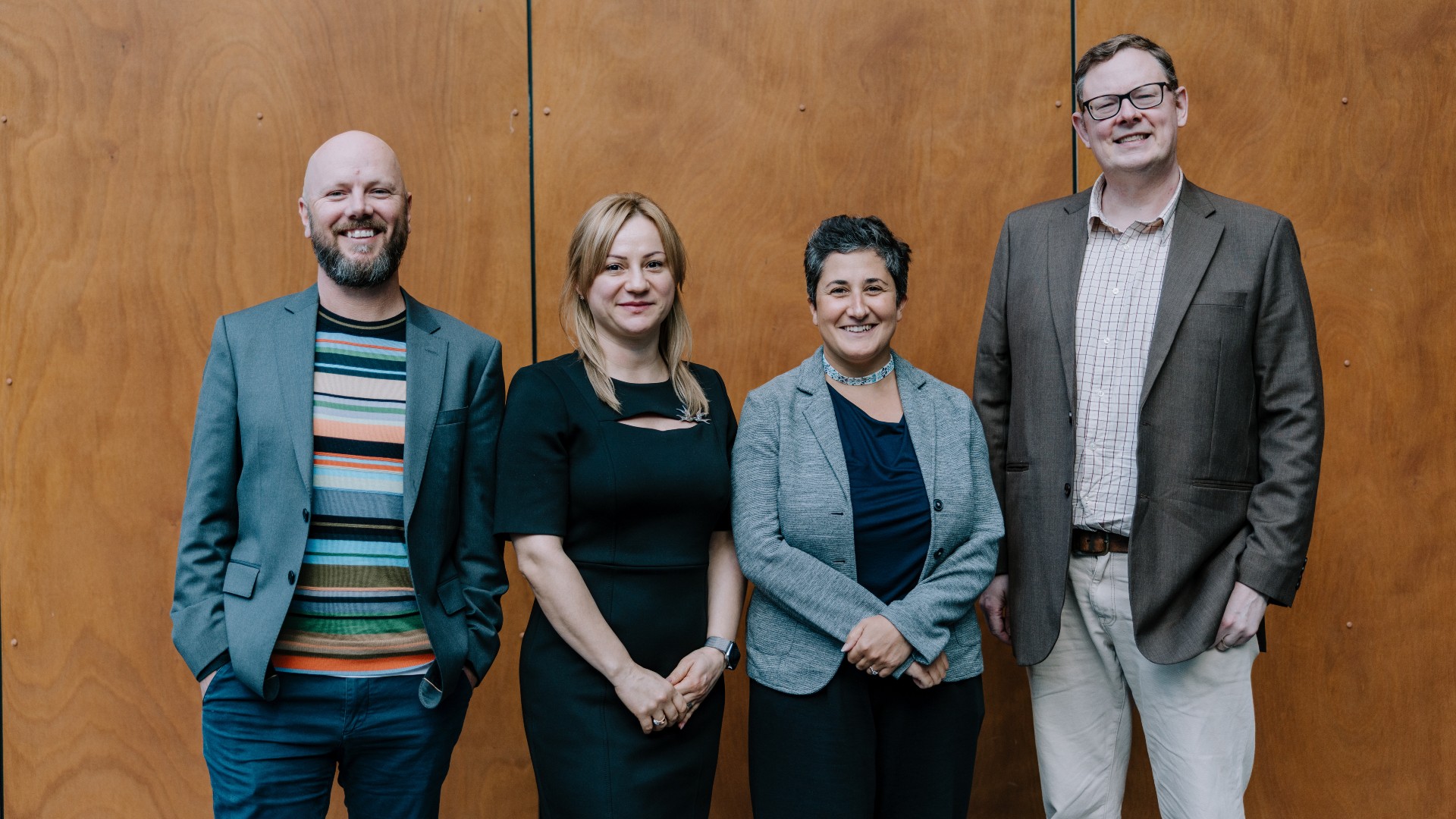
The ÁñÁ«ÊÓƵapp of ÁñÁ«ÊÓƵapp Future of Rights Centre hosted leading international human rights experts for a workshop to examine how forced displacement can be treated and prosecuted as an international crime.
Forced displacement is the involuntary removal of people from their homes, communities or countries through conflict, violence, persecution or other coercive acts. Currently it is treated as a consequence of atrocities such as crimes against humanity, war crimes and genocide, rather than as a crime in its own right. More than 110 million people worldwide are currently displaced.
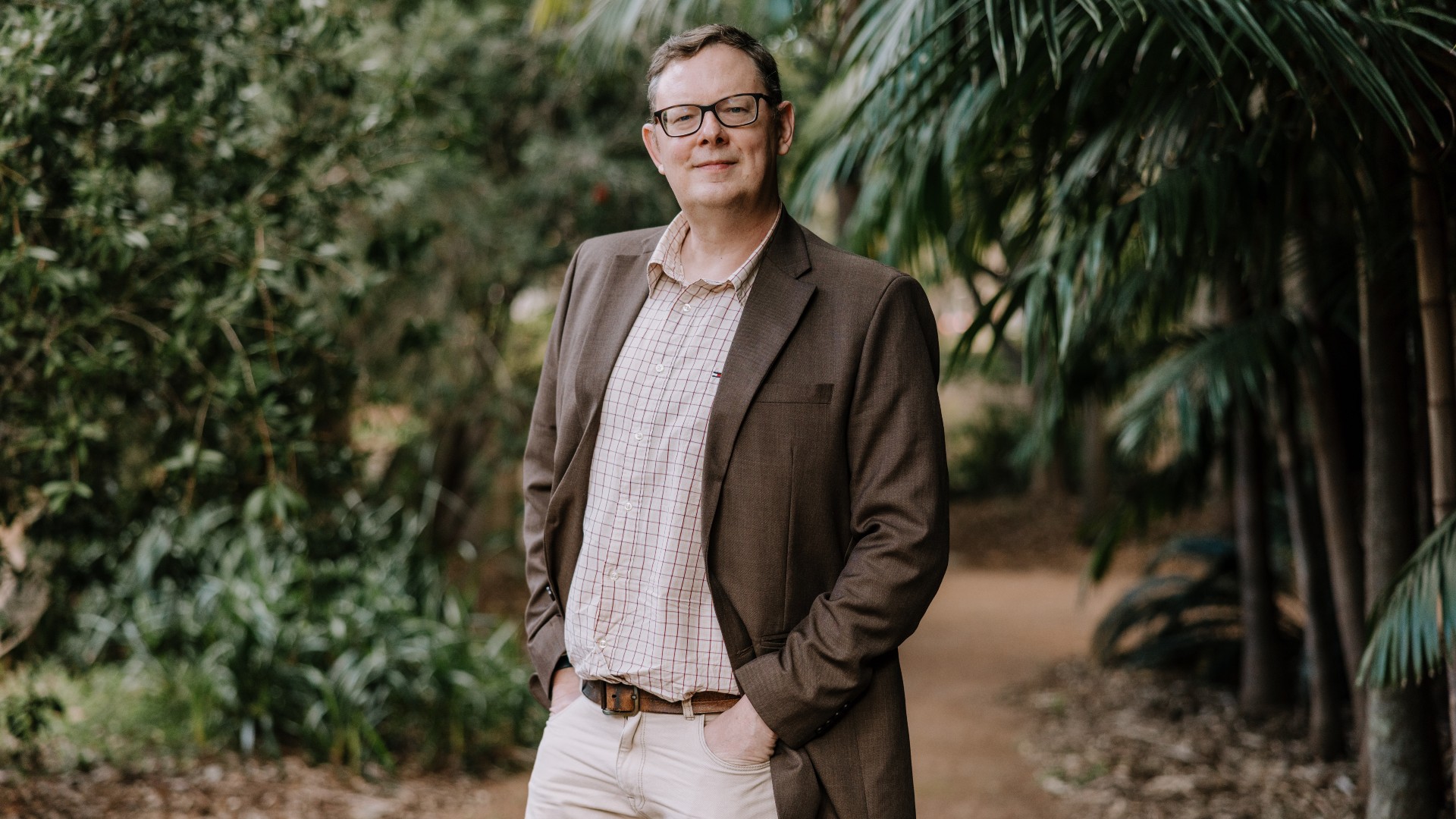
“Forced displacement affects millions of people worldwide and the existing international, regional and domestic mechanisms to respond to these crimes just aren’t being applied,” Professor Orchard said.
Available legal tools include international criminal prosecutions, regional frameworks and targetted sanctions. While use of these mechanisms is increasing – countries including Australia have applied economic and travel restrictions against individuals involved in forced deportation of Ukrainian children – they remain underutilised. The ICC only secured its first conviction for forced displacement in 2019.
“This workshop brings together leading experts to examine how those mechanisms can be used more effectively and what additional measures may be needed,” Professor Orchard said.Among the participants is founder Mark Kersten, a Criminology and Criminal Justice Professor at Canada's ÁñÁ«ÊÓƵapp of the Fraser Valley.
“Numerous conflicts around the world – Ukraine, Myanmar, Palestine – are marked by the dislocation of people from their homes and land, so this workshop is both timely and urgent,” Professor Kersten said.
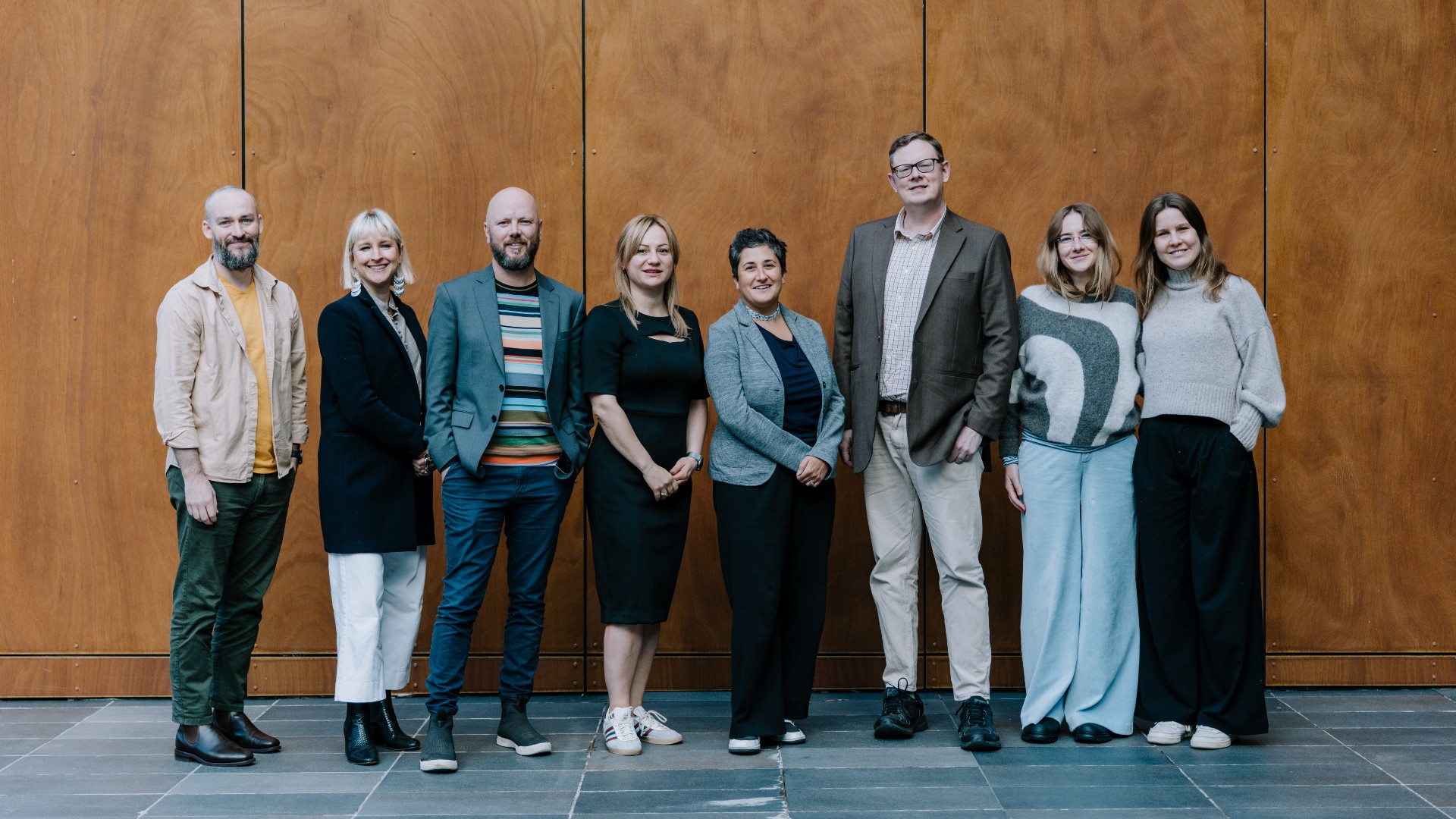
Other key international in-person participants include of the Director , Ambizione Fellow Dr Deborah Casalin, and Ukrainian human rights lawyer and co-founder of the herself a displaced person.
The workshop findings will inform a policy report for governments in Australia and overseas outlining practical mechanisms that can be used to respond to forced displacement cases.