

May 25, 2026
Why offshore campuses are good for the Illawarra
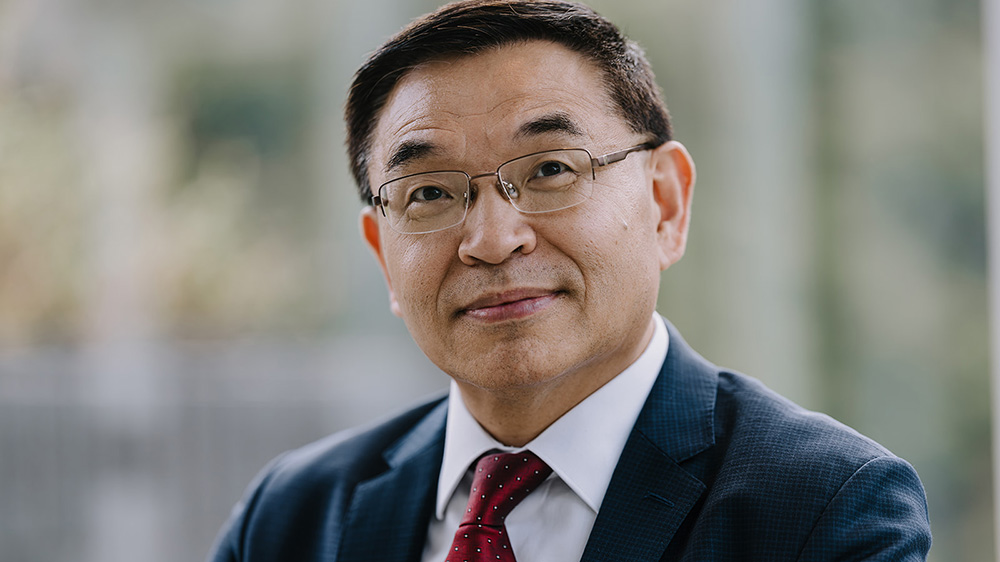
UOW Vice-Chancellor and President Professor Max Lu explains how the ÁñÁ«ÊÓƵapp’s offshore earnings flow back into the Illawarra, strengthening the region’s economy and future workforce.
From the escarpment to the steelworks, ÁñÁ«ÊÓƵapp has never been a place that looks only inward.
This is a city built by people who came from all over the nation and the world, worked in industries that sold to the world, and created something enduring on the south coast. Steel and coal did more than shape our economy; they shaped a culture that is outward-looking, resilient and globally connected, yet firmly grounded in place.
That history matters when we talk about the ÁñÁ«ÊÓƵapp of ÁñÁ«ÊÓƵapp today.
From time to time, people ask how campuses in places like Dubai, Hong Kong, Malaysia and India fit with UOW's mission to serve the Illawarra. It is a fair question. My answer is that we serve this region best not by shrinking our horizons, but by connecting ÁñÁ«ÊÓƵapp more strongly to the world and ensuring the benefits flow back home.
The first to branch out
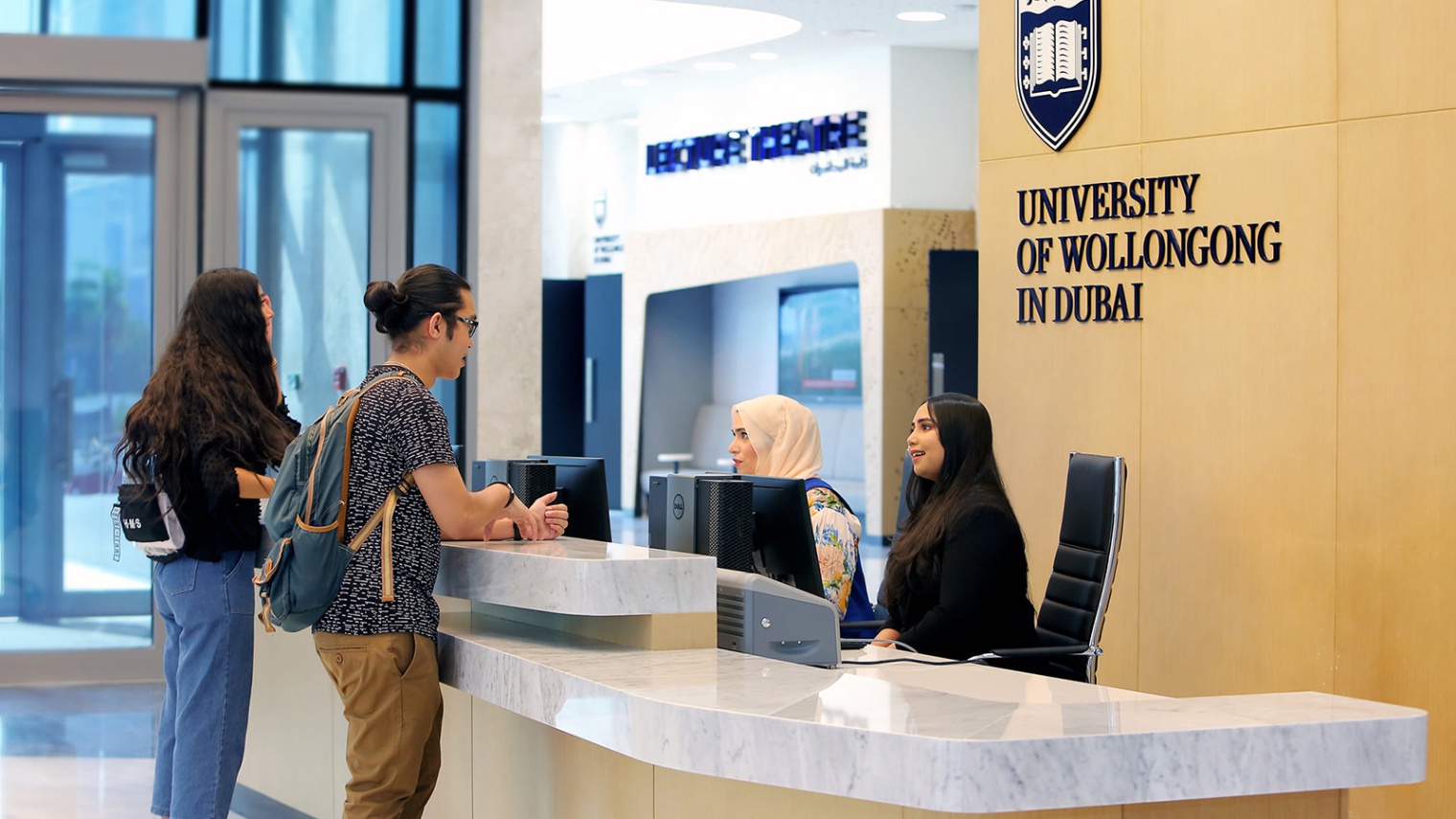
When UOW opened its Dubai campus in 1993, under the leadership of our beloved former Vice-Chancellor, the late Professor Ken McKinnon, it became the first Australian university to establish an offshore campus. At the time, this was about access to high-quality Australian education. It also reflected a belief that meaningful global engagement would, in time, strengthen what we could offer locally. UOW's new Council member, the Honourable Professor Stephen Martin AO, spent two years as President of UOW Dubai to cement its strong foundation.
More than thirty years on, that belief has been borne out. Many Australian universities now operate offshore, and current federal and state government policy actively encourages education delivery beyond Australia rather than relying solely on onshore international students. What was once distinctive about UOW has become part of the mainstream.
Offshore campuses are sometimes seen purely as revenue diversification. At UOW, they serve a much broader purpose: expanding access to education, building capability in partner regions, enabling student and staff mobility, and contributing to social and economic development, both abroad and at home. It is a model that UOW has been refining for more than three decades, and one that reflects how universities are increasingly understood: not simply as exporters of qualifications, but as partners in development.
Our international campuses are not satellites operating at a distance. They are part of a single academic community, and the knowledge flows both ways. UOW Dubai, our longest-standing offshore campus, has played a direct role in strengthening what we teach in Australia. Programs in International Business, business analytics and fintech have been developed collaboratively, with ideas and innovations originating offshore now adopted in classrooms here in ÁñÁ«ÊÓƵapp. Our AI Centre of Excellence in Dubai is building capability that strengthens the whole university.
Consider a ÁñÁ«ÊÓƵapp MBA student who spends part of her program working alongside Dubai-based classmates on a live consulting project for a regional logistics firm. She returns to the Illawarra with a portfolio of real work, a professional network across two continents, and a clearer sense of how global supply chains actually operate. That is not a study tour. That is how a graduate enters the labour market with a genuine edge, precisely the capability local employers tell us they need.
An era of uncertainty
Student mobility matters more than ever. In an era of global conflict and uncertainty, understanding other cultures is not a nice-to-have; it is essential. That is why UOW has continued to support international study tours and exchanges, including at postgraduate level, even as government funding has tightened. Many Illawarra-based students return with broader perspectives; greater confidence and a clearer sense of how their local skills translate globally. Our Malaysia campus has been a particularly strong partner here, offering deep industry connections and real-world exposure that would not be possible without a global footprint.
At the same time, UOW's regional commitment within Australia has only deepened. We operate across Bega, Shoalhaven, Batemans Bay and the Southern Highlands, as well as ÁñÁ«ÊÓƵapp and Liverpool. Global engagement has not crowded out this mission; it has helped sustain it.
Research, too, is increasingly global. Early collaborations across our campuses - in areas such as leadership, marketing and supply chains are already proving relevant to Illawarra industries, from advanced manufacturing to health and logistics. Technology investment only realises its potential when paired with strong leadership and strategy, and universities have a responsibility to bring that thinking back to the regions they serve.
Looking ahead, we see further opportunities to connect Illawarra businesses to our global networks from India, China, Dubai, Hong Kong to Malaysia: through study tours, practical "how to do business in" expertise for new markets, chambers of commerce, and stronger links between local and international alumni. When local businesses build global confidence, the whole region benefits.
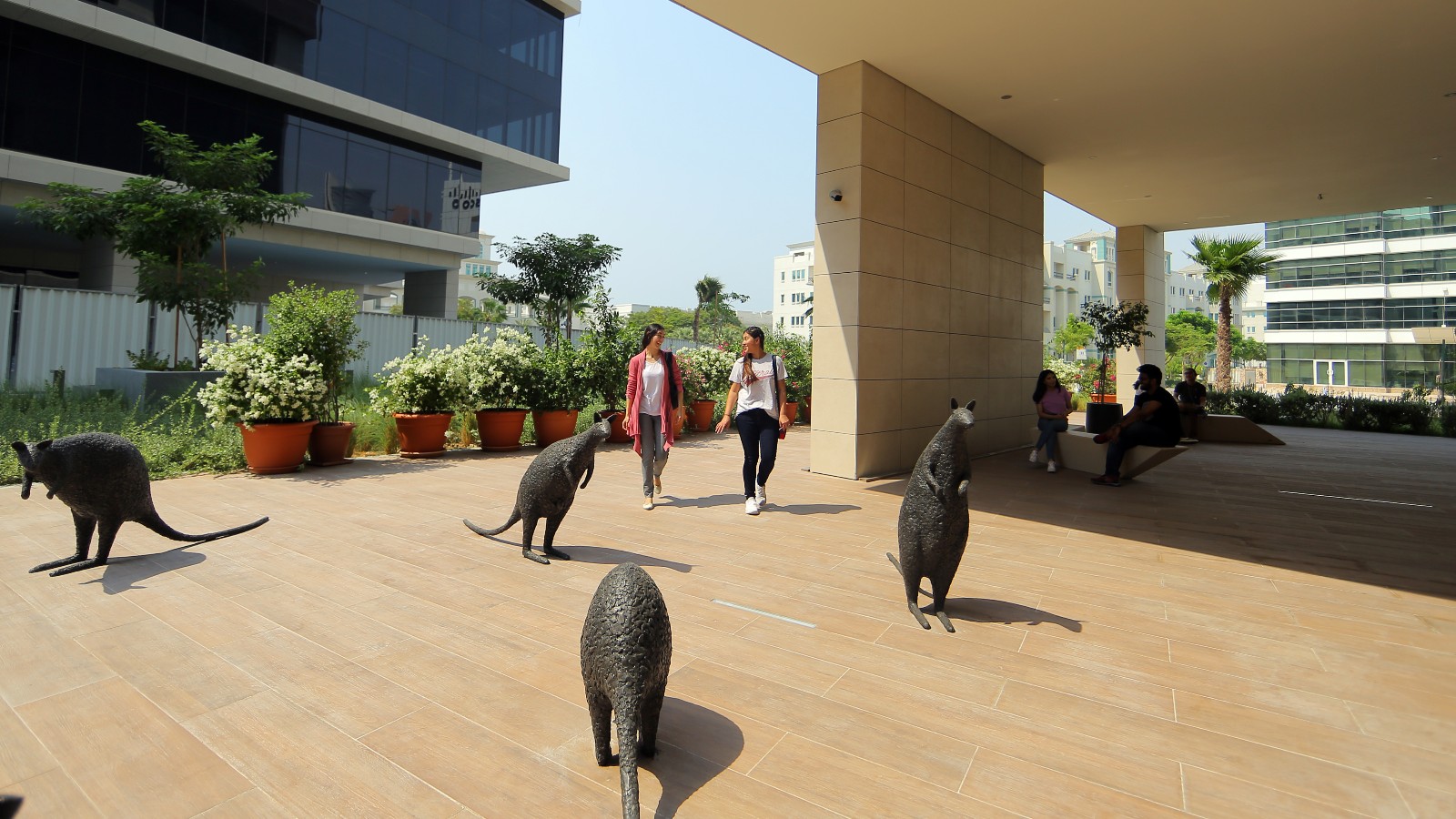
Universities do more than educate students. They build relationships, shape reputation and tell stories about the places they call home. ÁñÁ«ÊÓƵapp is increasingly visible on the global stage - sometimes literally, as visitors to companies like Google, Cisco and Oracle pass our Dubai campus each day.
In a hyperconnected world, the choice is not between serving the Illawarra or engaging globally. The real choice is whether we use global connection to strengthen local opportunity. That is firmly one of the four pillars of UOW Vision 2035.
UOW's history, like ÁñÁ«ÊÓƵapp's, shows that when we look outward with purpose, we bring something valuable back home.
This story was originally published as an op ed in the .