

May 11, 2026
After dumping Inland Rail, Australia has no plan to stop relying on diesel trucks for freight
Inland Rail was expected to take around 200,000 trucks off the road each year – but it’s now been cut in half. Why is rail freight shortchanged compared to roads and city rail?
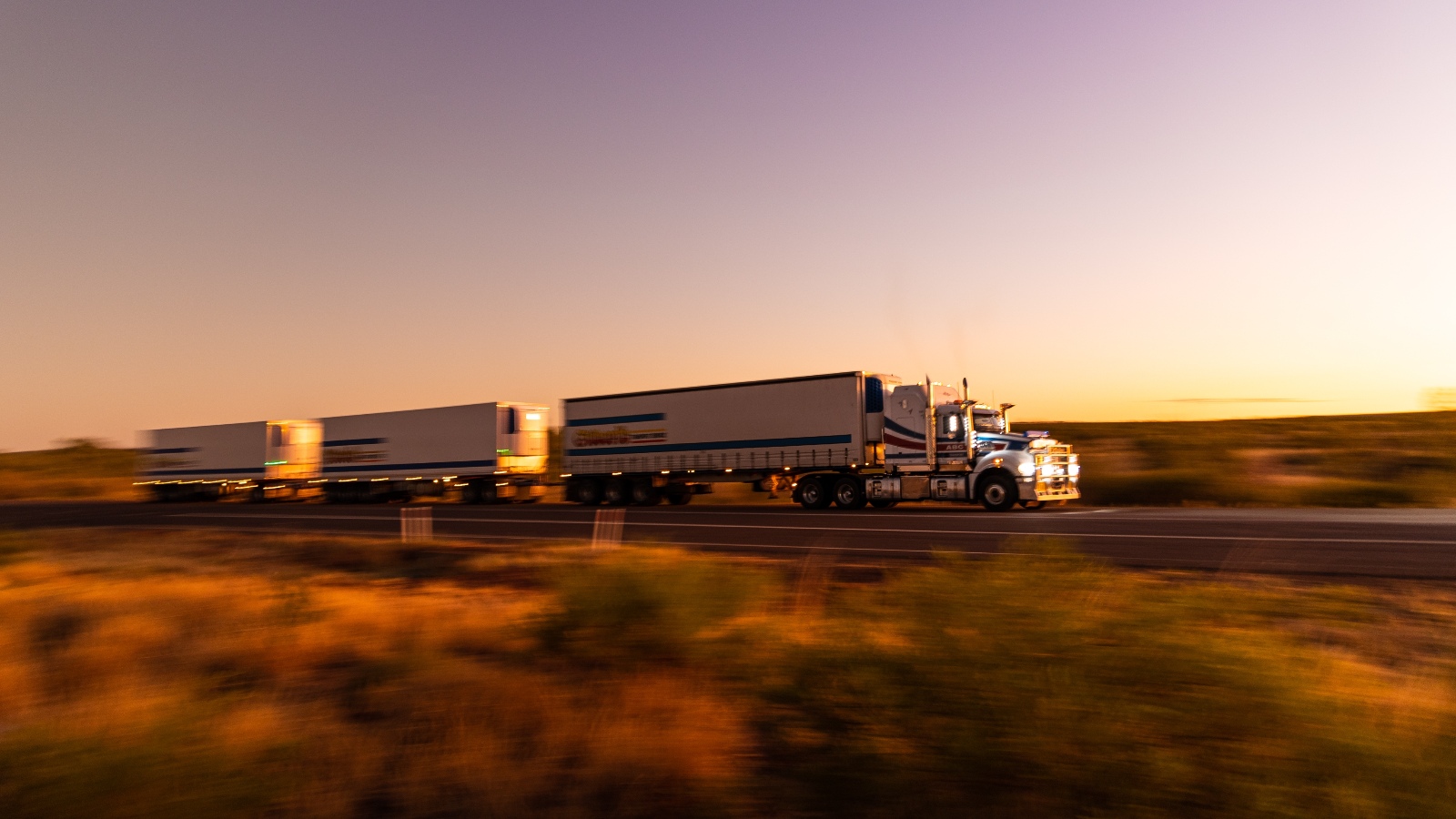
Australia relies on those largely diesel-fuelled trucks for the .
More trucks are on the way. “large increases in road freight are expected for Melbourne, Brisbane, Sydney and Perth” – especially in Melbourne, home to Australia’s busiest cargo port.
As the recent global oil shock has shown, Australia’s reliance on road freight leaves the nation vulnerable to global oil supply problems.
Yet the federal government has the northern half of the , connecting Parkes in central New South Wales to near Brisbane.
The axing came after the cost of the whole 1,600 kilometre project was forecast to – more than four times the original budget.
But with Inland Rail not proceeding to Queensland, what does the future of rail freight on Australia’s east coast look like? And does this risk leaving the nation dependent on road freight for decades more?
Inland Rail’s problems and potential
Just three years ago, the Albanese government re-committed to building Inland Rail. under then prime minister Scott Morrison, with the project overseen by the government’s Australian Rail Track Corporation.
Labor’s commitment followed an by Dr Kerry Schott, who found Inland Rail was “late and over budget”.
Yet the independent review still concluded Inland Rail was “an important project”, which was “needed to meet the increasing national freight task”.
The Inland Rail was expected to take around 200,000 trucks off the road each year, cutting greenhouse gas emissions by an estimated 750,000 tonnes a year by 2050. It was also expected to boost regional communities in NSW and Queensland.
Last week, one regional Queensland business said scrapping the northern leg of Inland Rail was “”.
Why rail freight has declined for decades
Since the 1990s, all Australian to handle larger, heavier trucks.
Over the same period, there have been only to rail freight. Not surprisingly, much freight that used to go by rail now goes by road.
As an example, back in 1994-95, of freight on Australia’s busiest freight corridor between Melbourne and Sydney.
By 2024, rail carried between the two cities.
Inland Rail was meant to take pressure off highways
The is NSW’s longest highway, reaching from the Victorian border at Tocumwal to Queensland’s border at Goondiwindi. It’s currently the main means of moving freight between Melbourne and Brisbane.
Truck movements on the Newell Highway come with many costs. As well as road maintenance costs and the significant costs of ongoing highway upgrades, there are the very real human costs of road crashes.
In the past two years alone, there have been three fatal crashes involving trucks and semi-trailers: in , September 2025 and . Five people died in those crashes.
Roads and city rail get a better deal
Only days after scrapping the northern half of Inland Rail, the federal government announced it would spend another on Melbourne’s controversial Suburban Rail Loop. That new funding – ahead of November’s state election – takes the federal contribution to over four years.
Other suburban train projects have also won federal funding, such as towards a Western Sydney Airport Metro and for Perth’s Metronet urban rail.
Road projects consistently do even better, such as more than in federal funds to upgrade Queensland’s Bruce Highway or in federal and state funding for a past upgrade of the Pacific Highway.
$2.8 billion for rail freight doesn’t cut it
In place of completing the Inland Rail project, the federal government promised towards other interstate rail track, on top of another $1 billion previously announced. That’s less than $2.8 billion for upgrades on a 9,600km national rail network.
That funding will include track renewal, passing loop extensions and improved signalling to remove speed restrictions on the rail network between Melbourne, Sydney and Brisbane. There will also be some upgrades in flood-prone parts of the east-west rail corridor to Perth.
It’s far from what’s actually needed, especially for interstate rail lines waiting on much-needed track upgrades. Priority areas I’ve long argued need funding include:
-
a more direct route between in NSW, cutting two hours off freight train times and speeding up passenger train journeys
-
securing a corridor now for a less winding track between in NSW
-
two key bypasses north of Sydney, and , which would jointly cut around an hour off train trips.
Along with upgrades like those, if Australia wants to be able to reduce its reliance on road freight, a future government will have to revisit completing the northern half of Inland Rail.
Without Inland Rail reaching Queensland, we won’t get as much benefit back from upgrading inland freight tracks from , underway now.
Our current approach to transport funding favours roads and urban rail projects. Rail freight – which gets trucks off the road and better connects our regional communities with our cities – keeps being shortchanged.
Until we strike a better balance, we will continue to be as vulnerable to future oil shocks as we are today.
, Honorary Principal Fellow,
This article is republished from under a Creative Commons license. Read the .
UOW academics exercise academic freedom by providing expert commentary, opinion and analysis on a range of ongoing social issues and current affairs. This expert commentary reflects the views of those individual academics and does not necessarily reflect the views or policy positions of the ÁñÁ«ÊÓƵapp of ÁñÁ«ÊÓƵapp.