

Ilia Filipev’s journey from a Russian science town to a PhD in ÁñÁ«ÊÓƵapp
From his hometown’s nuclear legacy to advancing cancer treatment in Australia, Ilia's journey took many turns.
April 21, 2026
Ilia's journey wasn’t carefully planned. It has unfolded through curiosity, timing, and a willingness to follow opportunities, taking him from Russia to Germany and ultimately to a new life in ÁñÁ«ÊÓƵapp.
Ilia Filipev doesn’t see his journey as something carefully planned. It has unfolded through curiosity, timing, and a willingness to follow opportunities as they came along.
From Russia to Germany, from industry to research, and from the uncertainty of lockdown to a new life in ÁñÁ«ÊÓƵapp, his path has moved across countries, careers and ideas in unexpected ways
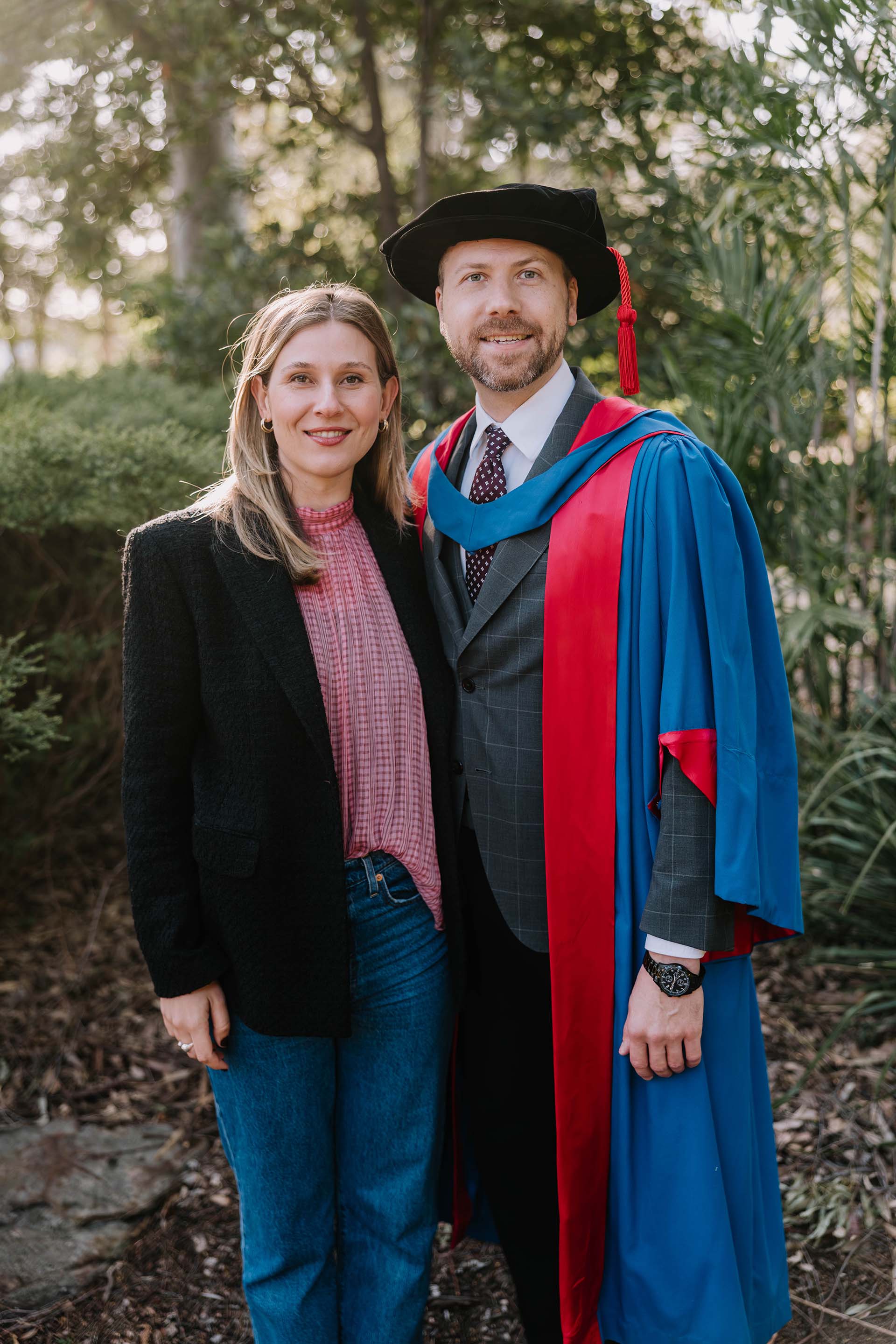
Where it all began
Ilia was born in Obninsk, a small Russian town with a big scientific legacy.
It’s known as the site of the world’s first nuclear power plant, and growing up there, science wasn’t something abstract. It was everywhere.
“Even if your family isn’t in science, you’re surrounded by people who are,” he says.
Physics came naturally. So did curiosity. But instead of choosing one path, Ilia decided to combine interests.
“I was always interested in physics, but I was also told that the 21st century is about biology and medicine,” he says. “So I thought, why not both?”
That decision led him into medical physics — a field that blends science with real-world impact.
Looking beyond borders
After completing his undergraduate studies in Russia, Ilia wanted something different.
Not a permanent move. Not yet. Just a chance to see how science works elsewhere.
Germany offered that opportunity.
At Heidelberg ÁñÁ«ÊÓƵapp, he completed a Master’s by Research, immersing himself in a new academic culture while supporting himself financially along the way.
“It was intense, but it was worth it,” he says. “You realise that science is global, but the way people approach it can be very different.”
During this time, he also spent time in the United States, working on his thesis research — another step in what was quickly becoming an international journey.
Choosing a different path
With strong academic results, Ilia had a clear option: continue into a PhD in Germany.
But another opportunity pulled him in a different direction.
He returned to Russia and joined ROSATOM, the state nuclear energy corporation.
What started as a technical role in radiation safety training grew into something much bigger.
Over nine years, Ilia moved into leadership, managing international education projects and helping universities in developing countries build their own educational programs in nuclear and radiation science.
“It was exciting work,” he says. “We were creating opportunities for other people to learn and grow.”
But over time, something shifted.
“I realised I wanted to go back to research,” he says. “To build things, to explore ideas again.”
A PhD, delayed but not denied
When Ilia started looking for PhD opportunities, one destination stood out: Australia.
More specifically, the Centre for Medical Radiation Physics at the ÁñÁ«ÊÓƵapp of ÁñÁ«ÊÓƵapp.
“It’s one of the best places in the world for what I wanted to do,” he says.
He was accepted. Then the pandemic hit.
Borders closed. Plans stalled. His start date was pushed back, not once, but twice.
Eventually, he began his PhD remotely in 2021, working from Russia while waiting for a chance to travel.
“It wasn’t ideal, but science can be surprisingly flexible,” he says.
Later that year, after a short research stint in Prague, he finally made it to Australia — arriving on Christmas Eve.
Starting over, again
Arriving in ÁñÁ«ÊÓƵapp was exciting, but it wasn’t easy. A new country. A new culture. A different way of working.
“At first, everything is amazing,” Ilia says. “But then you realise how much you have to adapt.”
The shift from industry to academia brought its own challenges too.
“It’s a completely different environment,” he says. “You have to learn how things work all over again.”
What helped was finding a sense of balance outside the lab. And that balance came through dance.
He had been dancing since the age of seven, starting with competitive ballroom before discovering Argentine tango.
In ÁñÁ«ÊÓƵapp, what began as a way to unwind quickly became something more.
“I started going to classes, then teaching again,” he says.
It gave him more than just a creative outlet. It helped him build a community.
“It makes a huge difference,” he says. “You meet people, you connect, you feel like you belong.”
Making cancer treatment safer
At its core, Ilia’s research is about precision and trust.
In cancer treatment, radiation is a powerful tool. But it needs to be delivered with extreme accuracy.
“We can’t see radiation. We can’t feel it,” he explains. “So we need tools to make sure everything is working exactly as planned.”
Ilia develops advanced radiation sensors that help verify that treatments are safe and effective.
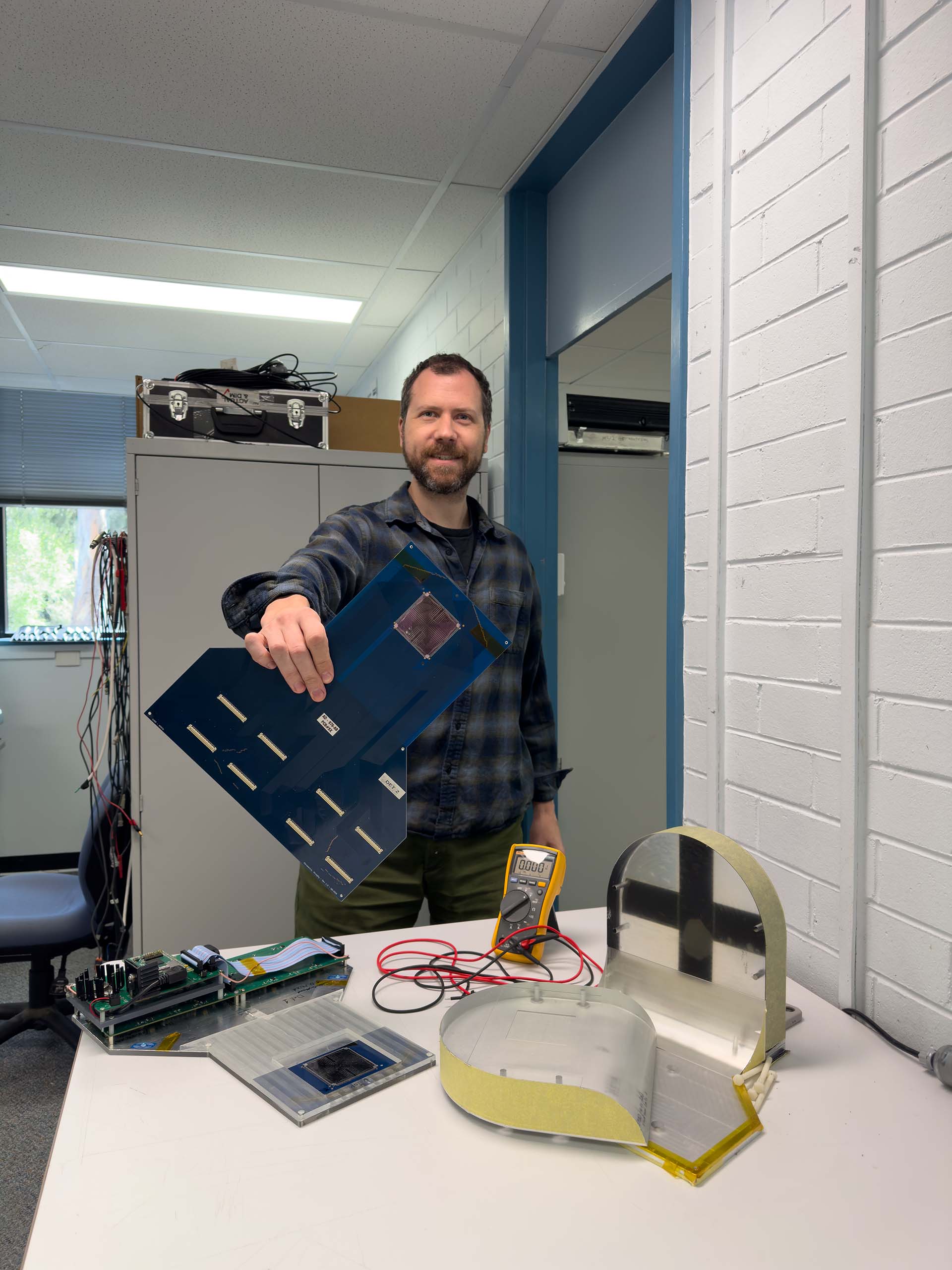
It’s not work that patients will ever see directly, but it plays a crucial role behind the scenes.
“My job is to make sure the tools doctors use are reliable,” he says.
A field that keeps evolving
Medical radiation physics has changed dramatically over the years.
What began with relatively simple technologies has evolved into highly precise, complex systems.
Ilia recalls visiting a facility in Japan where a massive machine delivers radiation therapy with incredible accuracy.
“It’s like a three-storey structure rotating around the patient,” he says. “The level of precision is incredible.”
And the field isn’t slowing down.
Artificial intelligence is already playing a growing role, helping analyse medical images and assist in treatment planning.
“It’s very good at finding things we might miss,” Ilia says. “That’s where it really shines.”
Lessons from the journey
Looking back, Ilia doesn’t see a straight line. He sees a series of decisions, each opening new possibilities.
If there’s one idea that has guided him, it’s simple.
“If you don’t know what to choose, pick the option that gives you more opportunities,” he says.
It’s advice shaped by experience, and one that reflects his own path.
From a small scientific town in Russia to research labs in Australia, Ilia has followed curiosity wherever it led.
And if there’s one thing he’s certain about, it’s this: “You never know what life will bring next.”